Specialist Endocrinology — Balmain & Telehealth Australia-wide
PMOS looks different in every woman. Treatment should reflect what matters now.
Specialist assessment of menstrual cycles, androgen symptoms, metabolic health and fertility concerns — with management shaped around your current priorities. Polyendocrine Metabolic Ovarian Syndrome (PMOS, formerly PCOS).
Prefer us to call you? Leave your details and our team will be in touch.
Dr Isobelle Smith FRACP on the four domains of PMOS management — and why treatment looks different at different phases of life.
Specialist endocrinologists · Balmain consultations · Telehealth Australia-wide · Collaborative care with your GP
Why PMOS advice can feel contradictory
If you have PMOS, you have probably been given advice that contradicts other advice you were given. Cut carbohydrates. Don’t cut carbohydrates. Take this supplement. Supplements don’t work. Focus on weight. Weight isn’t the issue.
That does not necessarily mean one piece of advice was right and another wrong. PMOS is a spectrum, and recommendations are often intended for different presentations, priorities or stages of life. Some women have mildly irregular cycles and little else; others have significant androgen symptoms, insulin resistance, or an absence of periods altogether.
Good PMOS care starts with the person: what is happening now, what matters to her, and which parts of the condition need attention first.
PMOS priorities change as your life does
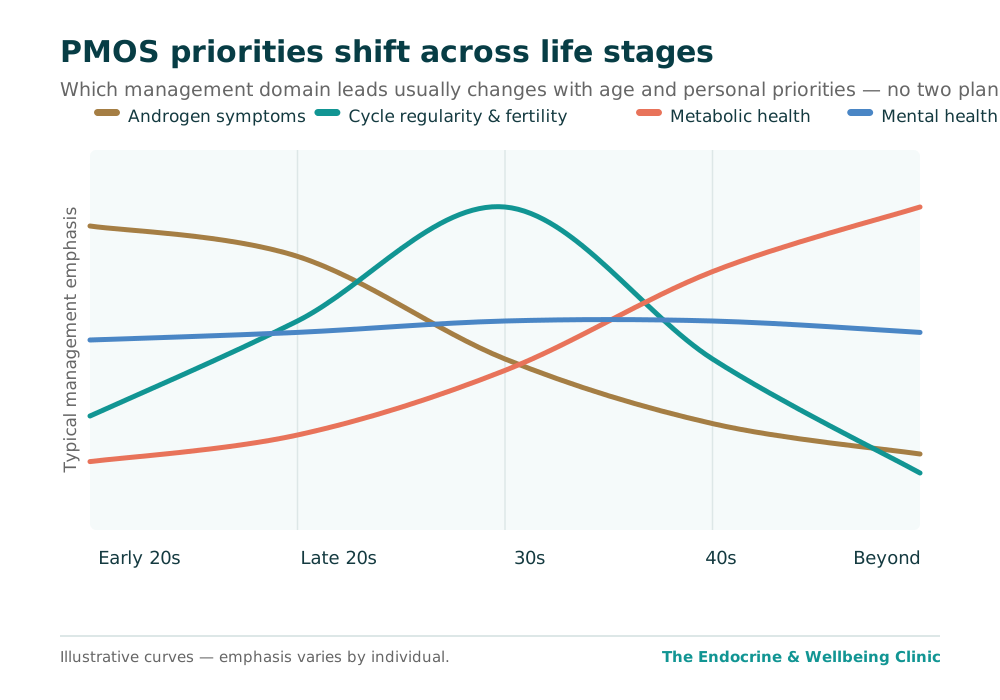
In your twenties, androgen symptoms — acne, facial and body hair, scalp hair thinning — are often the main concern. Through your thirties, cycle regularity or fertility may take priority. Approaching and beyond your reproductive years, the metabolic associations — insulin resistance, blood pressure, cholesterol, fatty liver — can become the focus.
Not every woman follows the same sequence, which is exactly the point: the same woman may need a different plan at different stages.
Our endocrinologists structure PMOS care around four domains — menstrual function, androgen symptoms, metabolic health, and mental health — and adjust which domain leads based on where you are and what matters to you now.
How we manage PMOS
Medication, where it is the right tool. Medication has a clear place in PMOS management, and our endocrinologists prescribe where it is appropriate for your presentation and history. In our experience, medication works best when the drivers underneath the condition are treated alongside it.
Metabolic health treated directly. Insulin resistance responds to structured physical activity and dietary change, not medication alone. Dietary work follows the evidence — a Mediterranean-style pattern, high in plant variety and lean protein — rather than short-term restrictive diets, which rarely produce lasting change. Associated conditions are treated rather than tolerated: irritable bowel syndrome is common in PMOS, and evidence-based options exist for it.
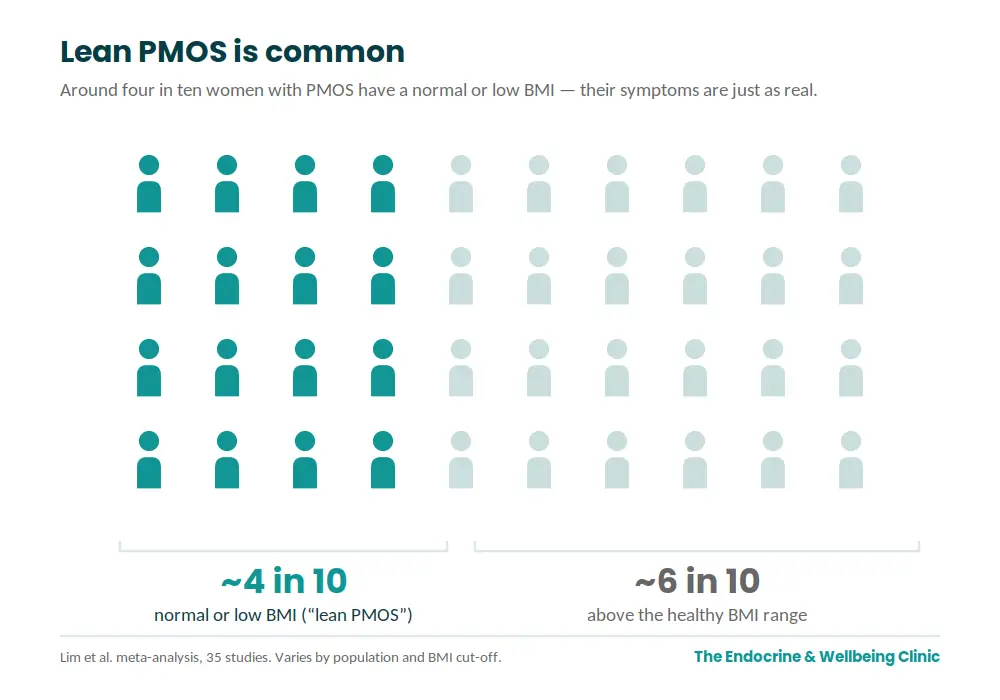
Weight-neutral care, including lean PMOS. Around 20 to 30 per cent of women with PMOS have a normal or low BMI — often called lean PMOS — and their insulin resistance, androgen symptoms and cycle irregularity are just as real. Not every woman with PMOS needs to lose weight, and we do not treat weight loss as the default goal. Eating disorders are more common in this condition, so when weight is not part of your problem, your plan will not be built around it.
Fertility considered early. PMOS is a common cause of ovulatory infertility, but fertility needs vary considerably. If pregnancy is a current or future priority, your endocrinologist considers cycle regularity, ovulation and other relevant factors as part of your overall plan — not as a separate problem for later.
What happens when you book
- Choose an appointment. Book online with one of our endocrinologists, or request a call if you are unsure which appointment suits your situation.
- Bring what you already have. Recent blood tests, imaging, a list of current medications, and your GP referral if you have one. Our team can tell you what is useful when confirming your appointment.
- Assessment across the four domains. Your endocrinologist reviews menstrual function, androgen symptoms, metabolic health and mental health in the context of your priorities and stage of life.
- Next steps, agreed together. You and your endocrinologist discuss which management options are relevant, whether further assessment is needed, and how follow-up will work.
Our endocrinologists
PMOS is core work for every endocrinologist at the clinic. All consult at Balmain and via telehealth Australia-wide.
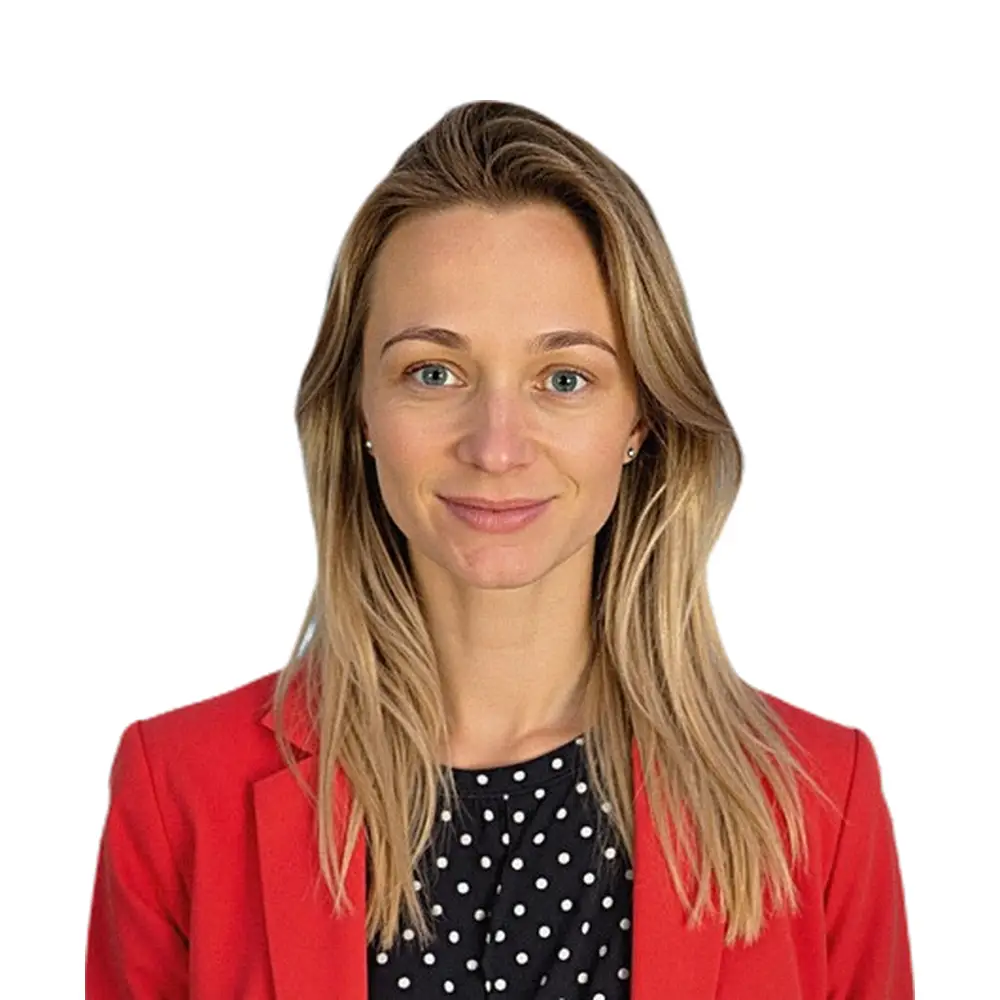
Dr Isobelle Smith
Endocrinologist · MBBS, FRACP
Founding clinician of The Endocrine & Wellbeing Clinic, with particular expertise in women’s health, metabolic health, diabetes and osteoporosis. Sub-specialty training in bone and calcium disorders through St Vincent’s Hospital and the Garvan Institute. Endocrine Society of Australia representative on the CRE-WHIRL Clinical Advisory Committee.
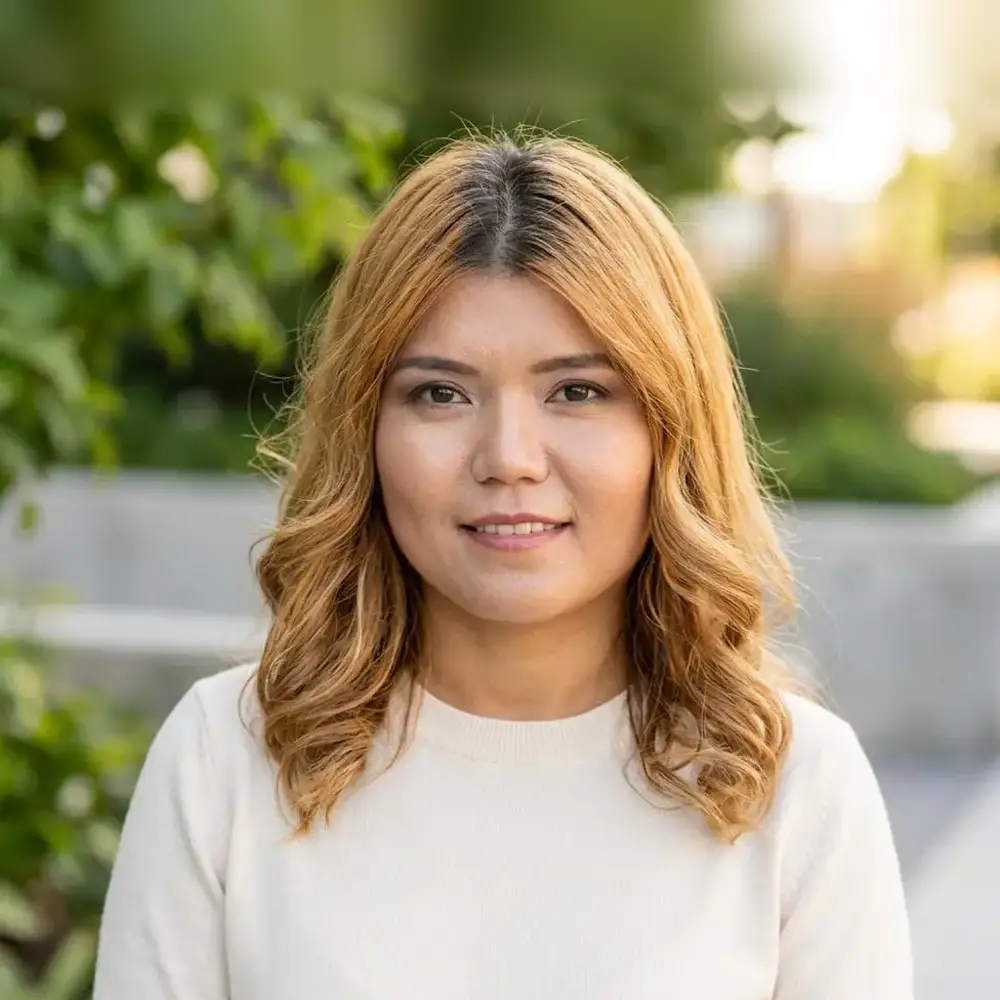
Dr Thaw Dar Htet
Endocrinologist · MBBS, FRACP, MSc
Consultant endocrinologist with clinical and research interests in PMOS and reproductive endocrinology, type 2 diabetes and obesity, thyroid disorders, and menopause. FRACP since 2020, with a Master of Science in Diabetes and Endocrinology from Barts and the London (QMUL). Clinical lecturer at Macquarie University and currently undertaking a PhD.
Accepting new patients
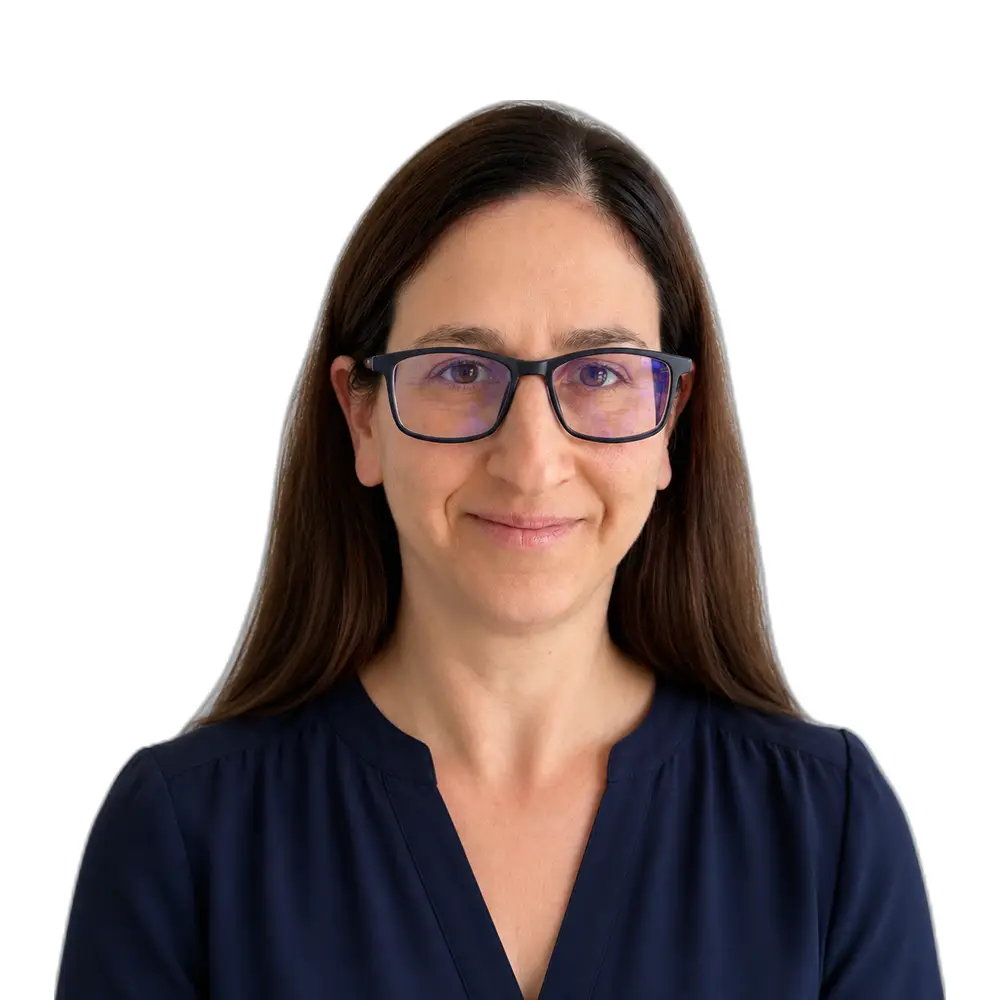
Dr Naomi Even Zohar
Endocrinologist · MD, PhD, FRACP
Endocrinologist with over 15 years’ clinical experience across PMOS, menopause, diabetes, thyroid, pituitary and adrenal disorders. Graduated with first-class honours and completed a research fellowship at Cedars-Sinai Medical Center, Los Angeles. Works closely with GPs to ensure coordinated care.
Accepting new patients
Practical information
You do not need a referral to book or to contact us, but a current GP referral gives you a Medicare rebate on your consultation. Referrals are straightforward to arrange — your regular GP can provide one, or any online GP service can issue a referral, often the same day. If you are unsure, book anyway and our team will guide you.
Yes, with a current GP referral. The Medicare rebate reduces your out-of-pocket cost for an initial consultation to $265.
An initial consultation is 45 minutes and costs $530, with an out-of-pocket cost of $265 after the Medicare rebate (with a valid referral).
Telehealth consultations are available Australia-wide.
Recent blood tests, any imaging, a list of medications and supplements, and your referral if you have one. If you are missing something, book anyway — your endocrinologist will arrange what is needed.
A member of our team will call you to understand your situation and find the right appointment.
All of our endocrinologists manage PMOS. Choice usually comes down to appointment availability and whether you prefer Balmain or telehealth — our team can match you if you are unsure.
Book an appointment
Book directly with one of our endocrinologists online, or leave your details and our team will call you.
The Endocrine & Wellbeing Clinic
Phone: (02) 9870 3256
Balmain (inner west Sydney) and Telehealth Australia-wide
Prefer us to call you?
Leave your details and our team will be in touch to find the right appointment for your situation.
This page is not a substitute for individual medical advice. Book a consult for assessment specific to your situation.